
What Is Electroplating — The Finish Behind Nelrosa Jewelry |
← |
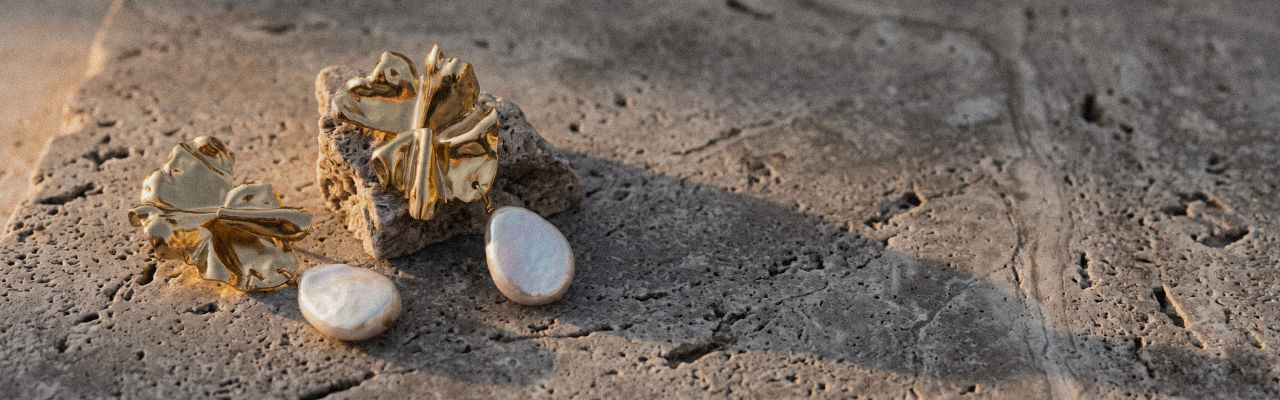
Gold plating is not paint. It is not a sticker or a spray coating. It is an electrochemical process in which gold atoms bond directly to the surface of a base metal. The difference between careful and careless plating is invisible to the eye at first — and very visible after six months of wear.
At Nelrosa, we plate our jewelry on two types of base metal: sterling silver 925 and brass. Each base has different properties and serves different forms. Below we explain how the process works, how it compares to cheaper alternatives, and why the choice of base and method affects what you are actually wearing.
Electroplating is an electrochemical process: the base metal (silver or brass) is submerged in a solution containing gold ions, through which an electric current passes. Under the influence of the current, gold ions deposit onto the surface of the base, forming an even, adherent layer.
Unlike spray plating or gold leaf, an electroplated layer is chemically bonded to the base metal — it does not simply sit on top, but integrates with its surface structure. This makes it more durable and more uniform than surface-applied alternatives.
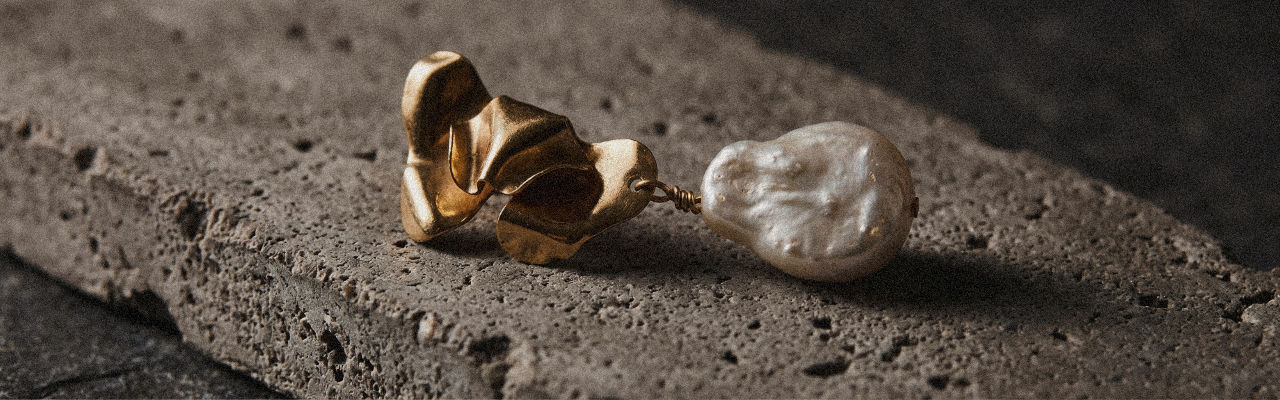
STERLING SILVER 925
Sterling silver contains 92.5% pure silver. It is hypoallergenic, resistant to distortion and lighter than brass. We use it as a base for more delicate forms — stud earrings, fine chains, small detailed pieces where weight matters.
BRASS
An alloy of copper and zinc with high density. It gives jewelry a distinct weight and solidity — the kind you notice when holding a chandelier earring or a tiara in your hand. We use it for forms that require structural stability and presence.
THE GOLD LAYER
High-purity gold produces the warm, deep colour that distinguishes fine jewelry from the pale tone of lower-quality alloys. The quality of the plating depends on the purity of the electroplating bath and the precision of the process itself.
DURABILITY
Well-executed electroplating lasts years of daily wear with appropriate care. The factors that shorten its life: contact with chemicals, perspiration and mechanical abrasion against hard surfaces or other metal pieces.
PVD (Physical Vapour Deposition) — gold applied in a vacuum chamber as an extremely thin layer. Used in mass-produced jewelry. Wears through quickly in areas subject to friction.
Flash plating (dip plating) — the piece is submerged in a gold solution for a very short time. Produces a minimal layer. Used in the cheapest fashion jewelry — lasts weeks rather than years.
Electroplating — a current-controlled process producing a layer that is more adherent and more uniform than either method above. Used in artisan and fine silver jewelry where longevity and finish quality are a priority.
"Jewelry worn every day should be made from materials that can withstand it. The choice of base metal and plating method is one of the first design decisions — and one of the most consequential."
The term gold vermeil comes from American jewelry standards and describes a specific product: a gold layer of at least 2.5 microns applied over sterling silver. It is a precise classification — and honest communication means using it only when that standard is met.
At Nelrosa, we describe our jewelry exactly as we make it: electroplating on sterling silver 925 and brass, with care for the quality of the process and the durability of the result. No shortcuts in the description, and no shortcuts in the production.
FURTHER READING — THE CONNOISSEUR'S GUIDE
| ↑ | ← |
nature inspired handcrafted
We’re a small Poland-based jewelry brand, where lucid and classic designs meet unique details. Our handcrafted pieces are tailored to empower the everyday woman with modern feminine energy. Explore our collection and find the perfect jewelry to celebrate your unique live story.
As always, it is made with love to You.